
A dimly lit, comfortable bedroom setting representing expert support for deep sleep management

Deep Sleep Support In Stuttgart

Fast appointments (self payers or privately insured patients only)

Online doctor consultations and testing at our office in Berlin Prenzlauer Berg

On-demand coaching from doctors for your current problems, needs and healthspan goals.

Why Achieving Consistent Sleep Is a Challenge

Sleep is more than just a break from your day; it serves as the essential biological cornerstone for your well-being, efficiency, and long-term health.

Similar to how managing weight involves more than just willpower, getting optimal sleep isn't as simple as "turning in early." It's an intricate physiological function governed by circadian rhythms, hormonal equilibrium, and neurological activity. If these systems are disturbed, the body perceives the resulting sleep deficit as a persistent stressor, which sets off a series of metabolic and cognitive problems.

What Makes Consistent Sleep Hard to Achieve?

For many individuals, sleep patterns and cycles are disturbed by elements of a modern lifestyle, such as exposure to blue light and high-stress settings. Yet, the underlying reason is frequently more profound.

Scientific Insight: Sleep is an active process during which the brain and body conduct vital restoration and repair.


  • Hormonal Regulation: A lack of sleep upsets the equilibrium of ghrelin and leptin (the hormones that control hunger), which can result in emotional eating and an increase in weight. It also raises cortisol levels (the stress hormone), potentially starting a detrimental cycle of anxiety and sleeplessness.
  • Neurological Function: In the absence of restorative sleep, the brain is unable to eliminate metabolic byproducts (through the glymphatic system). This leads to mental cloudiness, poor mood, and reduced productivity, while also elevating the long-term risk of neurodegenerative conditions like Alzheimer's disease and other forms of dementia.
A person sleeping soundly in a bright, clean bed, illustrating the goal of regular sleep management
An unmade bed with sunlight shadows from blinds, illustrating the challenge of disrupted sleep management

Symptoms of a Disrupted Sleep Architecture

  • Insomnia & Fragmentation: Difficulty initiating sleep, waking up during the night, or waking prematurely without being able to fall back asleep. This is frequently associated with hyperarousal of the central nervous system or a reduction in calming hormones such as progesterone.
  • Quality & Depth: Experiencing non-refreshing sleep, feeling fatigued even after 8 hours in bed, or not sleeping soundly. This suggests an inability to attain the deep (slow-wave) or REM sleep stages, which are vital for physical and emotional recovery.
  • Physical Manifestations: Symptoms like snoring, gasping for breath, restless legs syndrome, or other movement disorders during sleep. These could be signs of sleep apnea or different neurological sleep conditions that need prompt evaluation.
  • Emotional & Behavioral: Poor mood, decreased productivity, emotional overeating, and a diminished capacity to manage stress. Sleep deprivation impairs the brain's emotional regulation (amygdala reactivity), resulting in irritability and weakened impulse control.

Our Established Approach and Your Custom Roadmap

At The Longevity Practice, we do not advocate for a universal, single-pill solution. We are distinct from a surgical facility, a conventional sleep lab, or a service for rapid prescriptions. Our method involves screening for sleep disorders and providing a CBT approach based on the principles of somnology (sleep medicine).

Our services can assist you with the following:

  • Polysomnography: Our process starts with ruling out significant sleep disorders that could necessitate more in-depth specialist evaluation. We use portable polysomnography to screen for sleep apnea.
    • Portable Polysomnography: To ensure your comfort, we provide portable sleep monitoring devices that enable data collection within your own natural sleeping environment.
    • Hormonal Correlation: We evaluate potential causes related to hormonal imbalances (e.g., perimenopause, thyroid issues) which might be disrupting your rest.
  • Personalized Sleep Management Plan: After a thorough assessment and understanding of your sleep condition, we construct a customized management plan.
    • Therapy of Sleep Disorders: Our focus is on implementing interventions that are both behavioral and physiological and are supported by scientific evidence.
    • Sleep Hygiene & Routine Optimization: We assist you in creating evening routines and establishing technology-free areas to help signal a state of calm to your brain.
    • Stress Management: We incorporate practices like meditation, mindfulness, and other relaxation methods to reduce cortisol levels prior to sleep.
    • Breathwork: We employ targeted breathing exercises designed to transition your nervous system from a state of "fight or flight" to one of "rest and digest."
A woman sitting calmly in a serene room with plants, symbolizing a customized sleep management approach
A brown decorative pillow on a bed with soft morning sunlight, symbolizing a refreshed start through sleep management

Determining If This Is the Right Fit

If you find it difficult to wake up feeling refreshed or are persistently exhausted, your body is communicating a need. We can assist you in interpreting this signal. Our support includes:

  • Evaluating the physiological and psychological factors contributing to sleep deprivation.
  • Utilizing sleep laboratory technology to test for particular sleep disorders.
  • Developing a strategic plan to achieve optimal well-being by improving your sleep.

Note: Our practice does not conduct surgical procedures (such as for severe obstructive apnea), and our primary approach does not depend on prescribing sleep medications.

At The Longevity Practice, our emphasis is on detecting health risks before they evolve into problems by using early and accurate diagnostics. Rather than responding to illness, we develop transparent, individualized strategies for sustaining long-term health. We aim to provide each patient with profound insight into their own body and actionable steps for immediate implementation. By centering our approach on prevention and clarity, we empower patients to construct a longer, healthier existence.

Your Next Steps


Schedule an appointment: Contact us to discuss your symptoms and arrange a plan for diagnostics.

Visit Our Sleep Center: Undergo a professional evaluation in our comfortable, clinical environment, which is specifically designed for the diagnosis and treatment of sleep disorders.

Evidence-based Longevity In Stuttgart

In our practice, we rely exclusively on evidence-based methods and medical diagnostics that have been scientifically proven to make a difference. Our focus is on preventing the “four horsemen” of aging—cardiovascular disease, cancer, metabolic dysfunction, and neurodegeneration—rather than offering trends like epigenetic age tests or wellness drips. Our Prevention strategy addresses tailored exercises, nutrition, sleep, mental health and if necessary support by supplement and medication.
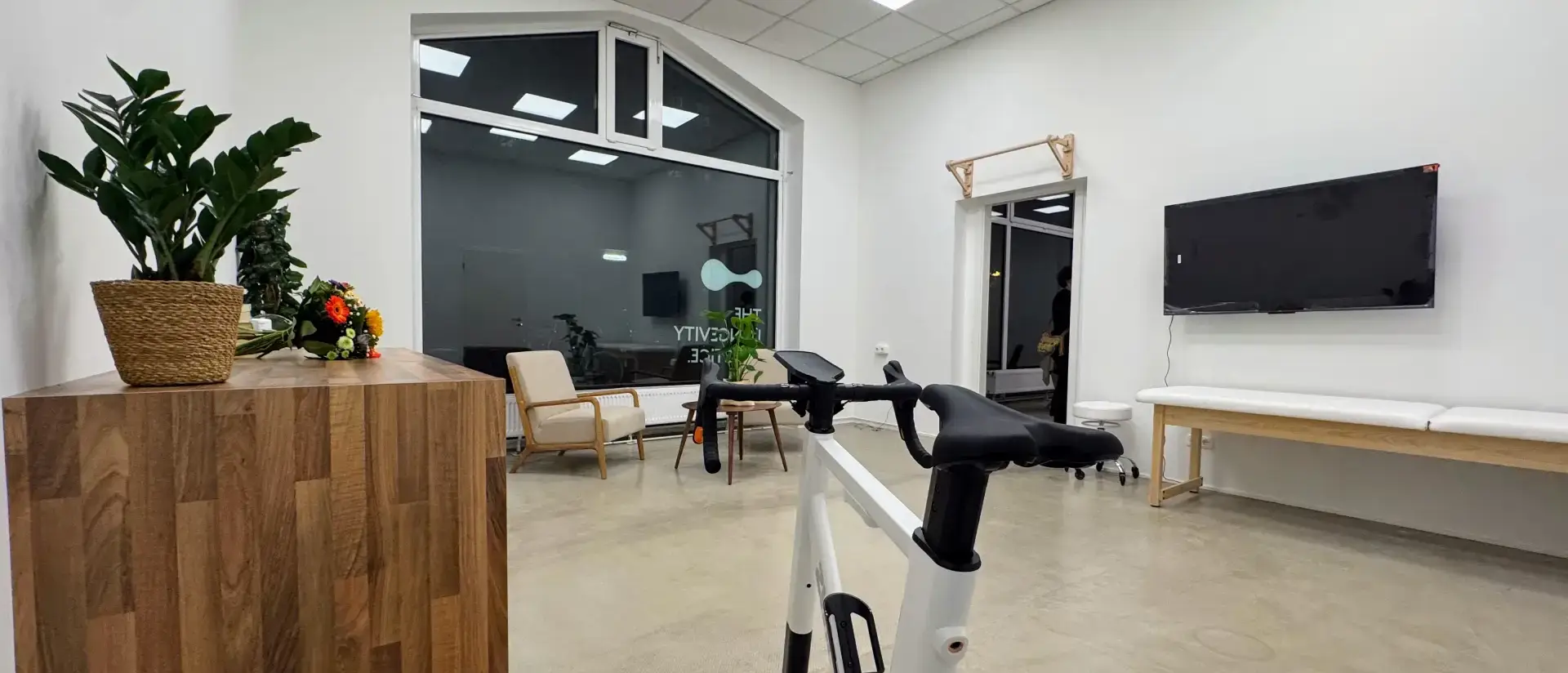
Banner Image

Cost Of Sleep Focus Session In Stuttgart

The cost for a Sleep Focus Session is based on the German healthcare pricing system (GOÄ – Gebührenordnung für Ärzte). We encourage you not to stop at consultation alone, but to begin your full Longevity Journey with us. Here is what our protocol looks like:

Sleep Focus Session
199€
Goal: Diagnostic assessment of sleep disorders to establish the link between restorative sleep and longevity, followed by a personalized therapeutic plan.
Duration: 45 minutes
Full Diagnostic Visit
1,399€
Goal: Establish a data-driven biological baseline to unlock personalized peak performance and long-term health optimization.
Duration: 3 hours
Introduction Session
0€
Schedule a quick video call to learn more about The Longevity Practice services and approach.
Duration: 15 minutes

Testimonials

What our customers say about us

Anna, 44 – HRT & Sleep
I never realized how much my hormones were affecting my sleep until I have taken progesterone. After adjusting my therapy and tracking my sleep for six weeks, I went from waking up four or five times a night to sleeping through almost every night. It’s such a relief to finally wake up feeling rested and ready for the day.
Thomas, 46 - Sleep Management
I used to collapse into bed exhausted but then lie there with my mind racing for hours. Learning how to properly down-regulate my nervous system before bed changed everything.
Sophie 39 - Sleep Management
My biggest issue was waking up at 3:00 AM every single night, unable to get back to sleep. I thought it was just stress, but it was actually a blood sugar and cortisol issue.
David, 52 - Deep Sleep
I was living on caffeine because my sleep quality was so poor. I’d get 8 hours, but still feel like a zombie. Tracking my deep sleep and fixing my environment made a massive difference.
Joshua 47 - WASO
By fixing my light exposure and evening routine, I’ve finally synced my internal clock. I wake up before my alarm now, feeling sharp and ready for the day