A sliced pomegranate and almonds on a grey background, symbolising hormonal health and cycle wellbeing

PMS Symptoms Management

Right Icon

Fast appointments (self payers or privately insured patients only)

Right Icon

Online doctor consultations and testing at our office in Berlin Prenzlauer Berg

Right Icon

On-demand coaching from doctors for your current problems, needs and healthspan goals.

Understanding PMS Symptoms

Premenstrual syndrome (PMS) is one of the most frequently reported health concerns among women of reproductive age. Up to 90% of women may experience at least one premenstrual symptom, and roughly 20–30% describe symptoms severe enough to interfere with daily life. Symptoms typically emerge during the luteal phase — the 1 to 2 weeks before menstruation begins — and tend to resolve within a few days of bleeding starting.

Symptoms vary widely between individuals and can shift from cycle to cycle. Common presentations include bloating, cramping, fatigue, irritability, low mood, headaches, food cravings, disrupted sleep, breast tenderness, and difficulty concentrating. For many women, these symptoms can affect work performance, exercise recovery, and relationship quality.

PMS is clinically distinct from premenstrual dysphoric disorder (PMDD), a more severe condition affecting an estimated 2–8% of women. PMDD can significantly impair mood and daily functioning and is frequently misdiagnosed as anxiety or depression. Women with a personal or family history of mood disorders may be at higher risk. Symptom patterns are carefully reviewed during the consultation, and further assessment is discussed where clinically appropriate.

Addressing PMS is not about managing discomfort alone — it is about understanding your cycle, identifying underlying contributors, and building lasting hormonal balance as part of a broader longevity strategy.

A woman sitting by a window looking relaxed and calm, representing hormonal balance and premenstrual wellbeing
Close-up of a woman writing in a health journal at a desk, illustrating symptom tracking and cycle awareness

Mapping PMS Symptoms Throughout The Body

PMS symptoms may present differently across phases of the menstrual cycle, and their impact can extend well beyond physical discomfort. Understanding how symptoms manifest across the body is an important first step toward targeted, effective management.

Common symptoms reported by women with PMS may include:

  • Mood: Irritability, anxiety, low mood, and heightened emotional sensitivity
  • Sleep: Difficulty falling asleep, disrupted sleep, and early morning waking
  • Energy: Fatigue, low motivation, and reduced exercise recovery
  • Concentration: Brain fog, poor focus, and forgetfulness
  • Physical Symptoms: Bloating, breast tenderness, headaches, migraines, and pelvic discomfort
  • Appetite: Food cravings, increased appetite, and blood sugar fluctuations
  • Exercise Performance: Reduced exercise tolerance and slower post-workout recovery

Recognising and tracking these patterns helps clinicians identify which systems may be contributing most significantly to your symptoms and inform a personalised, data-driven treatment plan.

How The Longevity Practice Approaches PMS Symptom Management

PMS management at The Longevity Practice goes beyond symptom relief. Our approach is personalised and evidence-based, focusing on the hormonal, metabolic, nutritional, and lifestyle factors that may be driving your symptoms. Each consultation is tailored to your unique cycle patterns, health history, and clinical findings.

A PMS consultation at The Longevity Practice may include:

  • Review of symptoms and menstrual cycle patterns across recent cycles
  • Lifestyle, stress, and sleep assessment
  • Blood testing where clinically indicated (may include estradiol, progesterone, thyroid function, ferritin, and vitamin D)
  • Nutritional and supplementation review
  • Exercise and recovery assessment
  • Personalised treatment recommendations

Treatment Recommendations May Include

  • Nutritional Strategies: Blood sugar stabilisation, and guidance on reducing alcohol and caffeine during the luteal phase
  • Stress & Sleep Management: Cognitive behavioural approaches, mindfulness, and sleep hygiene optimisation
  • Exercise & Recovery Guidance: Cycle-synced movement recommendations
  • Micronutrient Optimisation: Commonly magnesium, vitamin B6, vitamin D, and omega-3 supplementation
  • Hormonal Support: Where clinically indicated, cyclic progesterone or combined oral contraceptives
  • Pharmacological Options: For more severe cases, SSRIs on a continuous or luteal-phase dosing schedule
  • Specialist Referral: Further investigations or referral where clinically required

Treatment plans are reviewed and adjusted based on your symptoms and clinical progress. Some patients may notice meaningful improvement within 2–3 menstrual cycles, while others may benefit from longer-term review and ongoing adjustment.

What Our Practice Does Not Offer

The Longevity Practice specialises in preventive and medical treatment. We do not offer surgery, procedural interventions, or trauma therapy. Where your diagnosis requires these interventions, we will provide the appropriate specialist referral.


A woman stretching in a bright living room, representing active lifestyle management and hormonal wellbeing
Two women walking together outdoors in nature, symbolising healthy aging, vitality, and long-term wellbeing

About The Longevity Practice & Next Steps

At The Longevity Practice, we focus on identifying risks before they become health problems through early, precise diagnostics. Rather than reacting to disease, we build clear, personalised plans to preserve long-term health. Our goal is to give every patient a deep understanding of their body and the practical steps they can take today. With prevention and clarity at the core, we help patients build a longer, healthier life.

Our Core Principles

Our priority is helping people feel their best at any age and supporting them in living longer, healthier lives. To achieve this, we focus on the following core principles:

  • Scientific Precision
  • Personalization
  • Prevention First
  • Clarity & Guidance
  • Long-Term Healthspan
  • Trust & Transparency

Note: Our approach centres on sustainable, non-invasive solutions. We focus on these core principles to ensure lasting physiological correction and long-term health management.

Next Steps

See if our approach is right for you. Book your consultation online and Schedule an appointment.

Evidence-based Longevity

In our practice, we rely exclusively on evidence-based methods and medical diagnostics that have been scientifically proven to make a difference. Our focus is on preventing the “four horsemen” of aging—cardiovascular disease, cancer, metabolic dysfunction, and neurodegeneration—rather than offering trends like epigenetic age tests or wellness drips. Our Prevention strategy addresses tailored exercises, nutrition, sleep, mental health and if necessary support by supplement and medication.
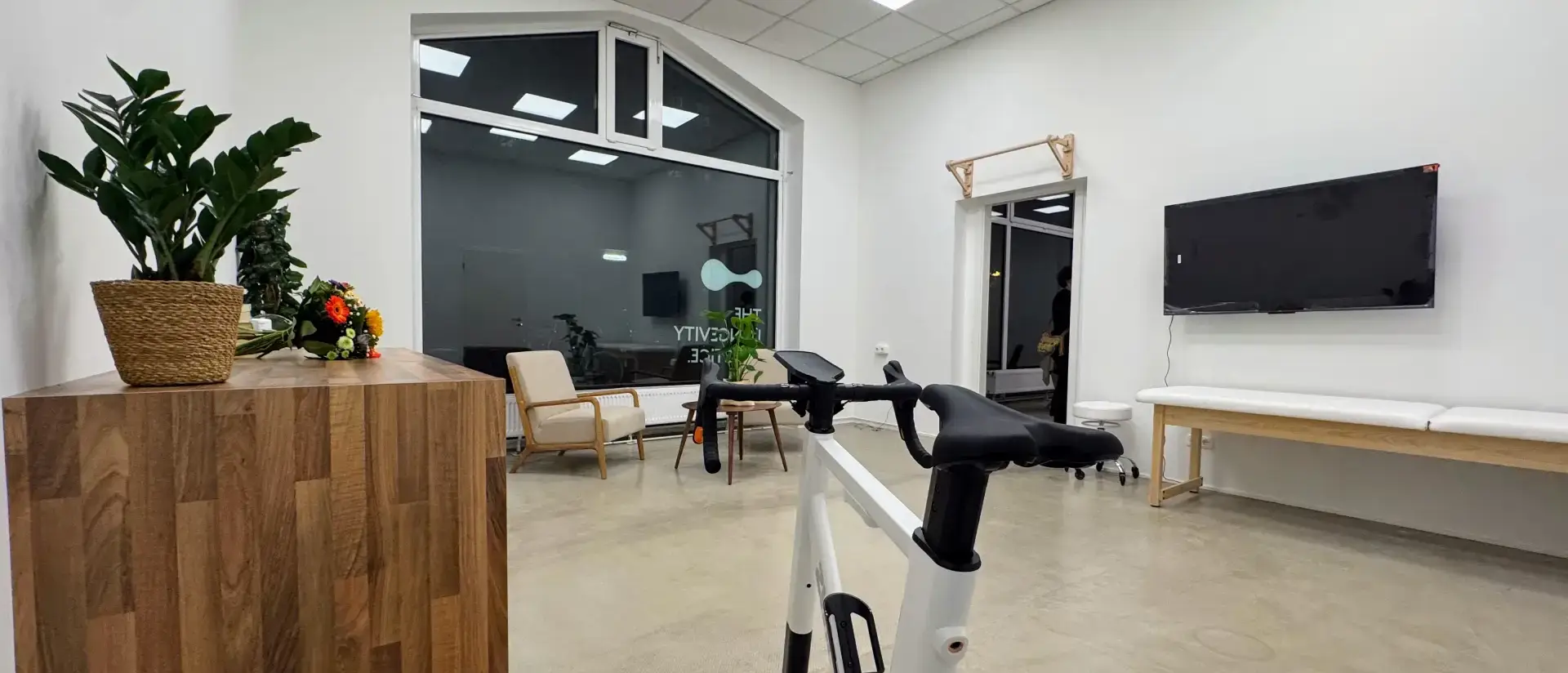
Banner Image

Cost Of A PMS Consultation

The cost for a PMS Focus Session is based on the German healthcare pricing system (GOÄ – Gebührenordnung für Ärzte). We encourage you not to stop at consultation alone, but to begin your full Longevity Journey with us. Here is what our protocol looks like:

PMS Focus Session
300€
Goal: Review symptoms, menstrual cycle patterns, lifestyle factors, and develop personalised treatment recommendations.
Duration: 1 hour
Full Diagnostic Visit
1,600€
Goal: Establish a data-driven biological baseline to unlock personalized peak performance and long-term health optimization.
Duration: 3 hours
Introduction Session
0€
Schedule a quick video call to learn more about The Longevity Practice services and approach.
Duration: 15 minutes

Testimonials

What our customers say about us

Laura, 34 – Managing Monthly Mood Shifts
I used to dread the two weeks before my period. The irritability and low mood were affecting my relationship and my work. Once we identified a progesterone imbalance and made some targeted changes, those weeks became manageable again. It changed everything.
Star IconStar IconStar IconStar IconStar Icon
google
Sophie, 41 – From Exhaustion to Energy
I was writing off my fatigue and brain fog as just being a busy mum. It turned out my iron and vitamin D were chronically low and my cycle was making it worse. With the right supplementation and lifestyle changes, I finally feel like myself again throughout the month.
Star IconStar IconStar IconStar IconStar Icon
google
Miriam, 37 – No Longer Dreading My Cycle
The bloating and headaches every month were something I'd just accepted. I didn't realise how much of it was driven by blood sugar swings and poor sleep in my luteal phase. Small, targeted changes made a bigger difference than I expected.
Star IconStar IconStar IconStar IconStar Icon
google
Claire, 29 – Hormonal Balance & Clarity
I was convinced I had anxiety — I was so reactive and emotional before my period. It turned out to be PMDD that had gone undiagnosed for years. Getting the right diagnosis and support made me feel seen, and finally gave me a path forward.
Star IconStar IconStar IconStar IconStar Icon
google
Anna, 44 – Reclaiming My Wellbeing
As I got closer to perimenopause, my PMS symptoms got significantly worse. My sleep was terrible and my mood was unpredictable. Getting a clear hormonal picture and a personalised plan helped me regain control. I wish I had done this years earlier.
Star IconStar IconStar IconStar IconStar Icon
google