.jpg)
Once you have completed a strength training session, for a window of roughly 30–60 minutes after exercise, your body is looking for raw materials—specifically protein. It needs this to repair the microscopic tears created during your workout to kick off "muscle protein synthesis," which is essentially the rebuilding of your muscles after exercise.
Why this matters more for women Utilising this window is particularly important because our hormonal profile means we have a slightly narrower timeframe for muscle protein synthesis to be triggered than men.
Daily Protein Goals Outside of that post-workout window, it is vital to stay consistent with the total volume of protein our muscles need. If you weigh 60 kg and have a goal of muscle gain and fat loss, we recommend the following calculation:
You can either increase the amount of protein in each meal or add protein snacks. Do it gradually. Pick a meal, let’s say breakfast, and aim to make it more protein-centred. Once you are consistent with that, work on lunch.
Adapting your training as you age or after pregnancy
The way we approach exercise must evolve as our biology changes. For women in the postpartum period or those navigating the hormonal shifts of menopause, the body’s connective tissues and recovery speeds are different than they were in their twenties.
If you are coming to strength training later in life, you may benefit from adopting a more gradual approach. This is because we face natural challenges as we age:
Strength training is the most effective antidote to these conditions, but it requires patience. If you are feeling the effects of age or recovering from birth, prioritise longer warm-ups and simpler, more stable movements.
It is far better to take a year to build a solid foundation with simple movements and pause on the high intensity, rather than rushing into a high-intensity program immediately and being sidelined by preventable injury repeatedly for 10 years.
In the Australian LIFTMOR Study studied the effect on guided strength training of women at age 60 and more. This landmark study showed that high-intensity resistance and impact training (HiRIT) can not only be performed safely but is highly effective to increase muscle mass and bone density at older age as well.
Your hormones are a vital data point that should inform your training. Every woman’s period is different, but as a general rule, movement is almost always better than not moving at all.
However, you should feel empowered to adapt your routine. If you are experiencing cramps or low energy, try these adjustments:
The lesson here is not to stop, but to adjust. In fact, exercise has been shown to reduce PMS. By building a sustainable relationship with fitness that isn't dependent on you feeling 100% every day, you keep the habit alive.
HIIT (High Intensity Interval Training), SIIT (Sprint Intensity Interval Training), and Jump Training are amazing ways to trigger bone growth and prevent osteoporosis, specifically because women begin with a lower bone density than men. However, it can feel intimidating if you haven’t jumped since childhood, or if you’ve noticed that jumping can sometimes lead to bladder leakage.
The Gradual Approach
Gradually increasing the height and impact over months allows your joints and tendons to adapt to the pressure.
The female pelvic floor is an incredibly complex muscle requiring specific attention due to its unique anatomy. Unlike the male pelvic floor (two openings), the female pelvic floor has three openings (urethra, vagina, and anus). Combined with a wider pelvis designed for childbirth, the female pelvic floor naturally has less structural integrity and is more prone to weakness as we age.
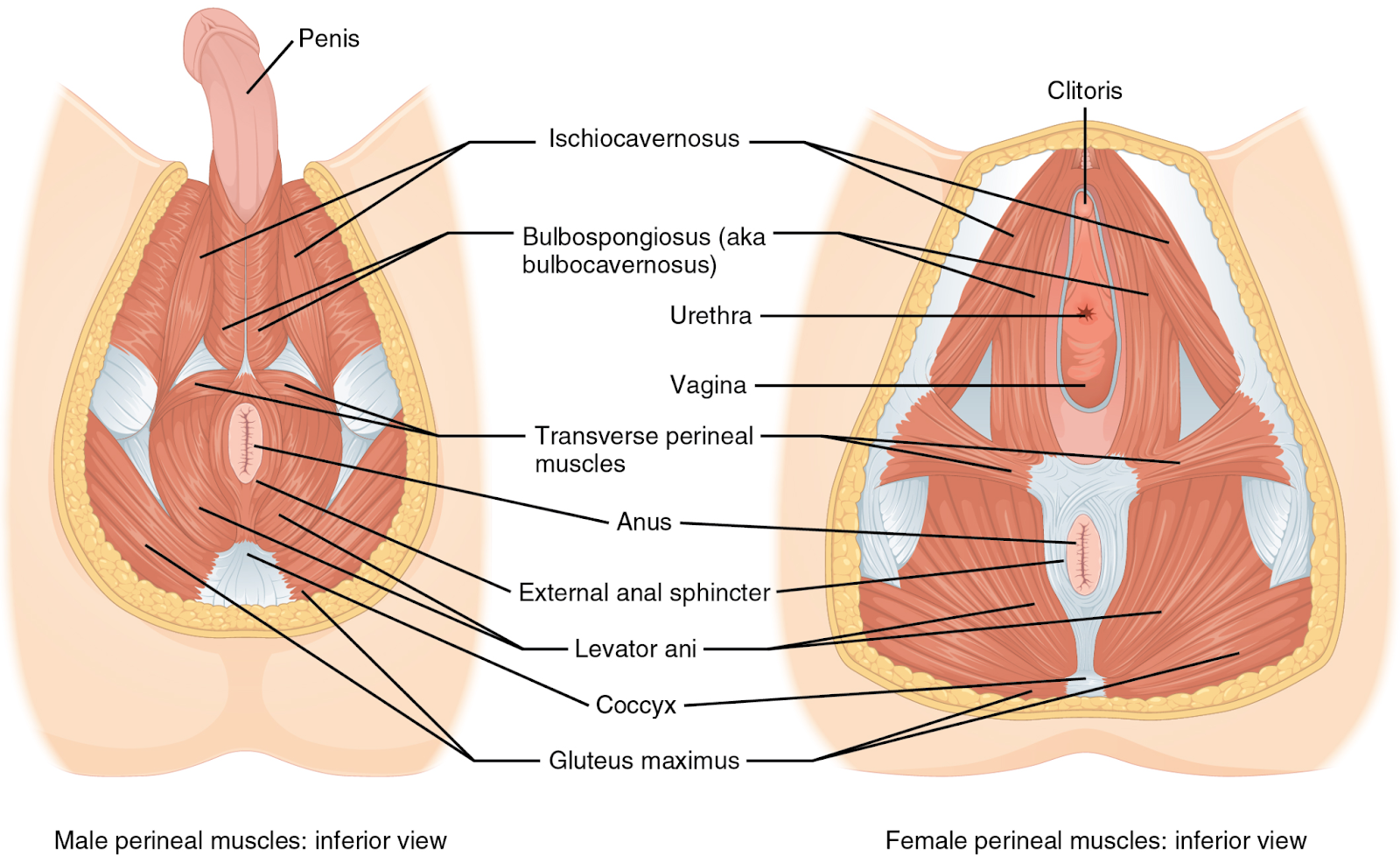
OpenStax Anatomy and Physiology - May 18, 2016
The "Steering Wheel" of the Body Your pelvic floor is connected to over 35 different muscle groups, including your glutes and deep abdominals. When you train your hips and core, you are supporting the "foundation" of your house.
A physio once described the hips and glutes as the “steering wheel of the body”. Strong hips and glutes that fire correctly keep the pelvis stable, significantly reducing the likelihood of falls and lower back pain.
Actionable Tips:
Ultimately, strength training is not about chasing a fitness trend; it is about investing in your “health pension”.
By mastering basic movement mechanics and prioritising consistency over perfection, you are doing far more than building muscle—you are protecting your bone density, stabilizing your metabolic health, and ensuring your independence as we age. Whether you are starting with a once-a-week habit or gradual impact training, remember that every lift is an investment in the woman you will be ten, twenty, and thirty years from now.
Scientific References

 EN
EN
 DE
DE

